

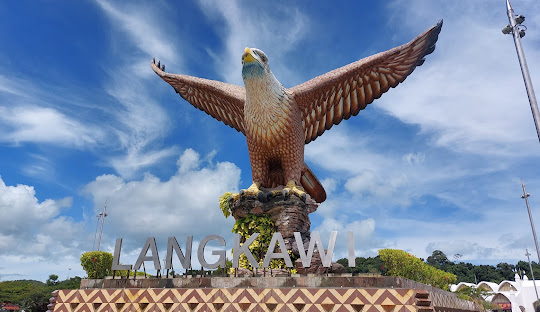
Langkawi is a stunning archipelago located in the Andaman Sea, off the northwest coast of Peninsular Malaysia. It is part of the state of Kedah and is made up of 99 islands, though the most famous and developed one is Langkawi Island itself. Here are some key details about the island:
1. Geography and Climate
- Location: Langkawi is situated around 30 kilometers from the mainland of Malaysia, in the Andaman Sea.
- Climate: Langkawi has a tropical climate, characterized by warm temperatures year-round with occasional monsoon rains. The dry season typically runs from November to April, making it the best time to visit.
2. Tourism and Attractions
Langkawi is a popular tourist destination, known for its natural beauty, stunning beaches, and rich history. Some of its main attractions include:
- Pantai Cenang: This is one of the most famous beaches on the island, offering water sports, vibrant nightlife, and a variety of restaurants and shops.
- Langkawi Sky Bridge: An impressive curved pedestrian bridge that offers panoramic views of the island and surrounding sea, accessible by the Langkawi Cable Car.
- Langkawi Cable Car: One of the longest cable car rides in the world, it takes visitors to the top of Gunung Mat Cincang, offering breathtaking views of the island and the surrounding landscape.
- Langkawi Wildlife Park and Bird Paradise: A great spot to explore exotic wildlife and bird species.
- Underwater World Langkawi: An oceanarium that showcases marine life through tunnels, large tanks, and exhibitions.
3. Natural Beauty
- Mangroves: Langkawi has beautiful mangrove forests in areas like the Kilim Karst Geoforest Park, where you can explore by boat and spot wildlife like monkeys, eagles, and reptiles.
- Waterfalls: The island has several waterfalls, including Telaga Tujuh (Seven Wells Waterfall), which is one of the most famous and offers a serene setting for swimming and hiking.
- Rainforests: The island’s lush rainforests are home to diverse flora and fauna, with trails for hiking and nature walks.
4. Culture and History
- Mahsuri’s Tomb: A historical site dedicated to the legend of Mahsuri, a woman who was wrongfully accused of adultery and died after cursing the island, leading to a period of misfortune.
- Traditional Villages: Langkawi is home to villages where visitors can experience traditional Malay life and culture, including local handicrafts, cuisines, and rituals.
5. Economy
- Tourism is a significant contributor to the island’s economy. Langkawi is often called a duty-free island, which attracts shoppers due to lower prices on items like alcohol, cigarettes, chocolates, and perfumes.
- Agriculture: Langkawi is also known for its agriculture, particularly the cultivation of rice and tropical fruits like coconuts and durians.
6. Transportation
- By Air: Langkawi is accessible via Langkawi International Airport (LGK), which connects the island to major cities in Malaysia and some international destinations.
- By Sea: Ferries operate between Langkawi and the mainland, offering a scenic journey from Kuala Perlis or Kuala Kedah.
- Getting Around: Taxis, rental cars, motorcycles, and bicycles are common ways to explore the island. There are also organized tours for popular destinations.
7. Accommodation
Langkawi has a wide range of accommodations, from luxurious beach resorts and five-star hotels to more budget-friendly guesthouses and homestays.
8. Unique Aspects
- Langkawi’s UNESCO Geopark: Langkawi is a designated UNESCO Global Geopark, known for its geological formations, including limestone cliffs, caves, and pristine ecosystems.
- Duty-Free Shopping: As mentioned, Langkawi offers a duty-free shopping experience, especially for international visitors.
In summary, Langkawi is a diverse and beautiful island offering a mix of natural attractions, rich history, and modern amenities. It’s an ideal destination for travelers seeking relaxation, adventure, and cultural experiences.

